
The Future of AI in Micronationalism Will Be Decided at MicroCon 27 — And Your Voice Matters
The future of AI in micronationalism is up for debate. And at MicroCon 27, the people who actually show up will help decide what comes next.
Somewhere in the strange, wonderful, occasionally absurd universe of micronationalism, a fight is brewing. Not over territory, diplomatic recognition, or whose flag looks better flying above a backyard garden shed. This time, it’s about Artificial Intelligence, and whether it’s the greatest technological gift ever bestowed upon the world’s smallest nations or the beginning of the end for everything that makes micronationalism worth doing.
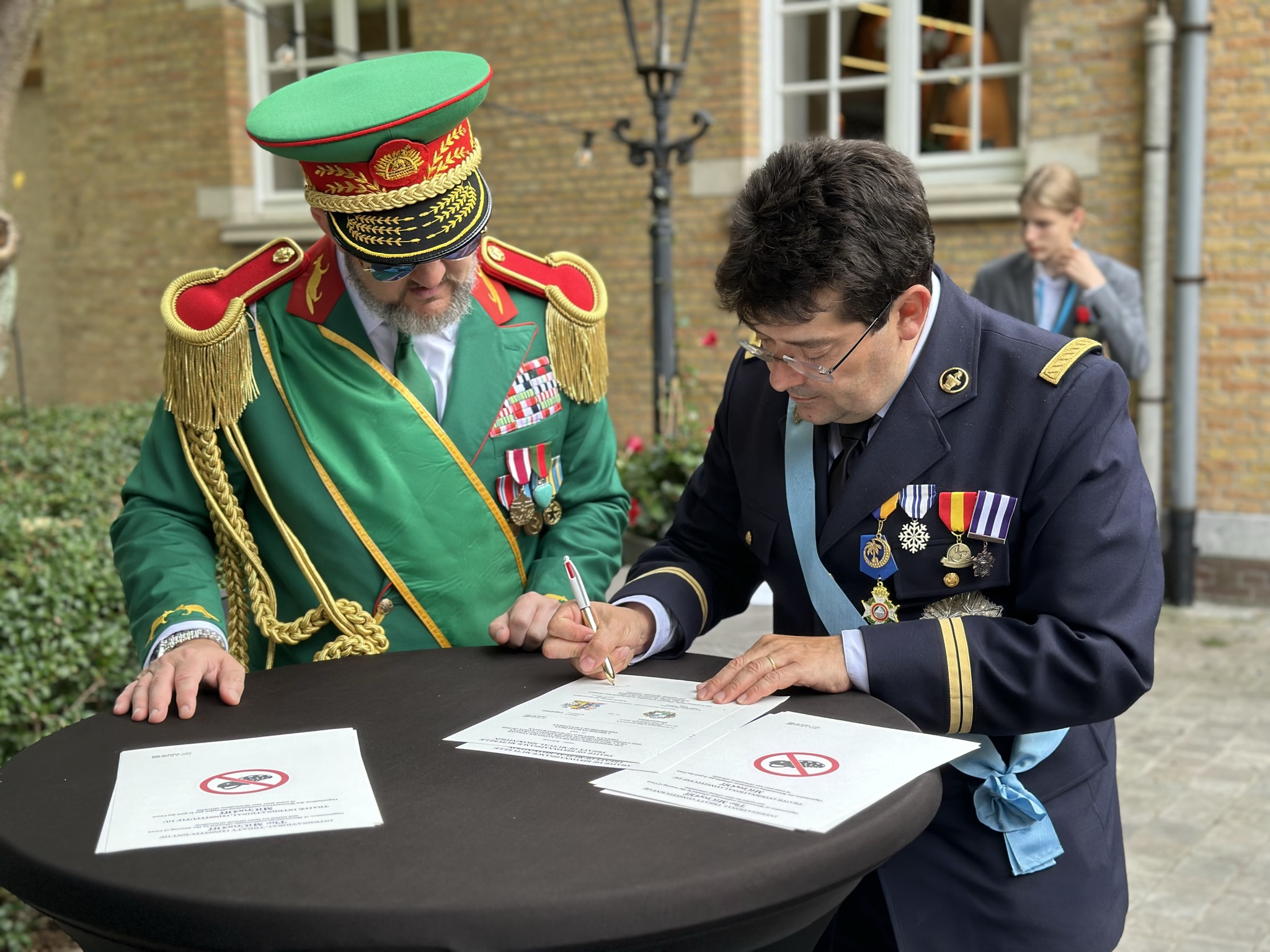
On November 1, 2026, the Grand Duchy of Flandrensis and the Republic of Slowjamastan signed the Charter for the Ethical Use of Artificial Intelligence in Micronationalism. The Parliamentary Monarchy of Duckionary followed a day later. The document wasn’t particularly radical. Nobody was demanding a return to typewriters and carrier pigeons. The premise was simple: AI is here, it’s useful, and it can help with everything from graphic design to administration. But at some point, you actually have to do something. Plant a flag. Build something. Meet another human being. Get your shoes dirty. Because there’s a difference between building a country and asking a computer to imagine one for you.
Enter Greenwick
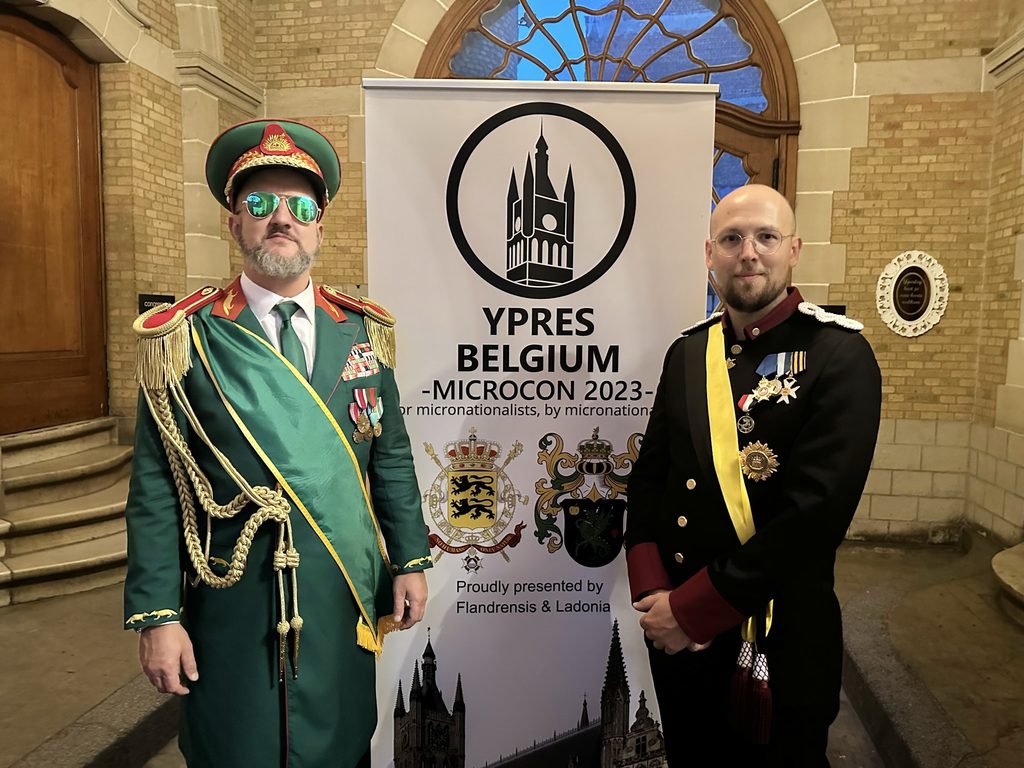
Naturally, not everyone agreed. The Commonwealth of Greenwick issued an opposition to the charter, arguing for a broader appreciation of AI’s potential. And they have a point worth considering. Not every micronation has the money, manpower, or technical expertise to bring ambitious ideas to life. AI can level the playing field, giving smaller projects capabilities that were once out of reach.
Slowjamastan, never one to let an international disagreement pass without a strongly worded declaration, responded with an official opposition to Greenwick’s opposition. Its argument was considerably less diplomatic: An AI-generated airport cannot land an airplane. An AI-generated parliament cannot pass legislation. And an AI-generated border checkpoint cannot confiscate a single pair of Crocs. Which, in Slowjamastan, is a fairly serious institutional failure.
Beneath the satire lies a legitimate question: Is micronationalism about what you can imagine, or what you’re willing to actually accomplish? Does presenting an imaginary building as real diminish the work of someone who spent years, money, and considerable personal embarrassment constructing an actual one?
The Debate Comes to MicroCon 27
In 2027, micronationalists from around the world will gather at MicroCon in San Diego, California (August 6–8), and Aigues-Mortes, France (September 25–26). And Artificial Intelligence will be on the table, with plans to present, debate, collaboratively design, and release a comprehensive charter governing its ethical use in micronationalism.
The original charter is merely the beginning. Supporters should come prepared to defend it. Critics should come ready to challenge it. And those who think everyone has gotten the entire thing wrong should absolutely be there. Good ideas rarely emerge from rooms filled exclusively with people nodding enthusiastically at one another.
If You’re Not There, You Don’t Get a Say
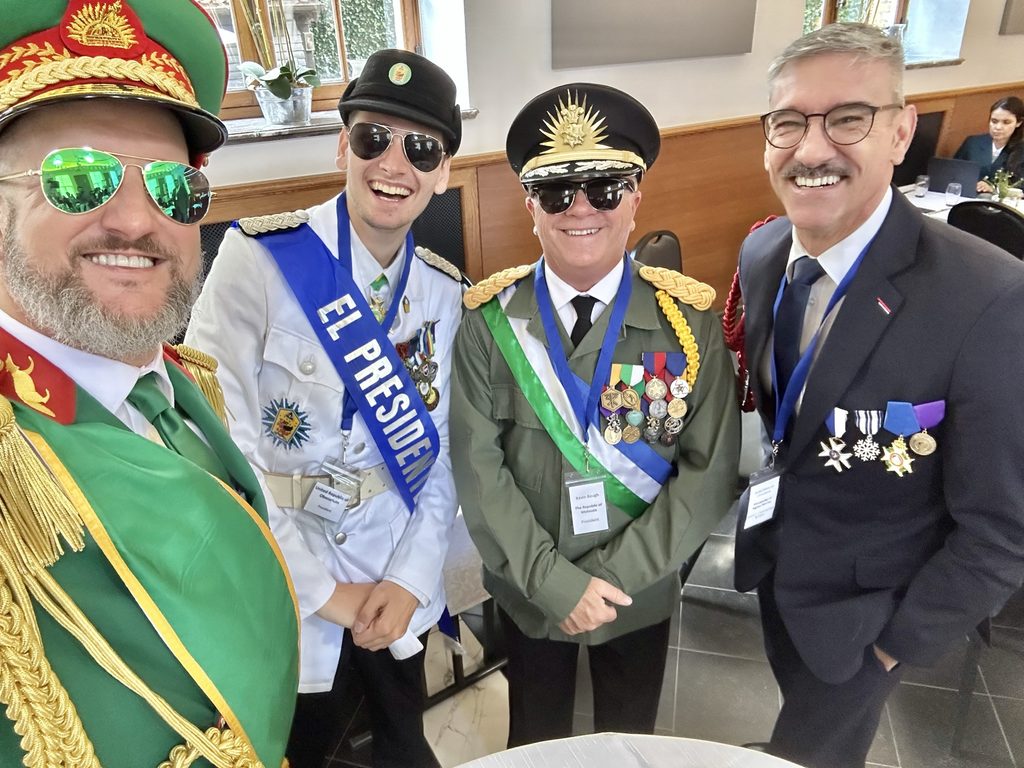
Strip away MicroCon’s elaborate uniforms, ceremonial titles, flags, medals, and occasional head of state dressed like a Las Vegas magician, and you’ll find something remarkable: people from different countries, backgrounds, and philosophies, sitting together and trying to build something real.
If you want your voice included in shaping this new AI charter, you need to be in the room. You can’t contribute to the drafting discussions from your couch, and you can’t complain afterward that your perspective was overlooked if you never showed up to offer it.
Come with your ideas, objections, skepticism, and enthusiasm. Bring an open mind and maybe a decent bottle of wine. Somewhere between the arguments, amendments, and inevitable diplomatic absurdities, we have an opportunity to create something worthwhile.
Artificial Intelligence can generate a convincing photograph of a conference that never happened. It can fabricate historic handshakes and declarations announcing agreements nobody actually reached. What it cannot do is replace the experience of being there.
MicroCon 27. San Diego and Aigues-Mortes. The future of AI in micronationalism is up for discussion.
Show up. Speak up. Help write it.
And for God’s sake, make sure the country you’re talking about exists somewhere outside your laptop.
0 Comments